

Sustainability and building compliance expert. Specialising in low energy design, SAP, SBEM, BREEAM, and air testing for the construction industry,
Andrew Sadler
We’ve officially reached the final blog in our Net Zero Series – and this one’s all about you. If you’ve been following along, you’ll know that achieving Net Zero in construction is not only essential, but entirely doable with the right tools and knowledge. Today, we’re helping you pull it all together with the ultimate Net Zero Checklist: your go-to resource for ensuring your next project hits the mark.
This guide is made for architects, developers, and construction professionals who want a punchy, practical reference to revisit again and again, as well as tons of additional resources to deepen your understanding. Let’s get into it.
Why a Net Zero checklist?
A Net Zero checklist is vital because good intentions aren’t enough. Net Zero delivery requires intentional design, rigorous assessment, and proactive management from start to finish. A checklist keeps you aligned, accountable, and adaptable, whatever stage your build is at.
And the best part? It’s not just about compliance. It’s about smarter buildings, healthier spaces, and homes that stand the test of time (and climate).
READ NEXT: THE RISE OF NET ZERO CONSTRUCTION PROJECTS IN THE UK
Your essential Net Zero checklist.
Here’s what you should have front of mind when planning your next Net Zero project:
H3: 1. Kick-off with the right targets
- Set performance KPIs early: Include Space Heating Demand (≤15 kWh/m²/yr) and Energy Use Intensity (≤35 kWh/m²/yr) in your brief.
- Get the team onboard: Bring in a Passivhaus or low energy specialist as early as possible.
- Hold a Net Zero workshop: Align consultants, contractors, and clients on goals and responsibilities.
YOU MIGHT BE INTERESTED IN: BUILDING TO NET ZERO | CPDS WITH BUILDPASS
2. Design smart from the start
- Compact form, smart orientation: Minimise thermal bridging and maximise solar gains.
- Window placement matters: Larger on the south, smaller on the north. Avoid overheating with brise-soleil or shutters.
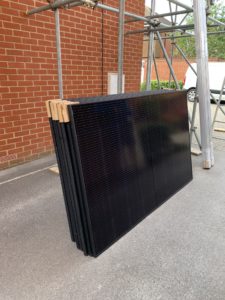
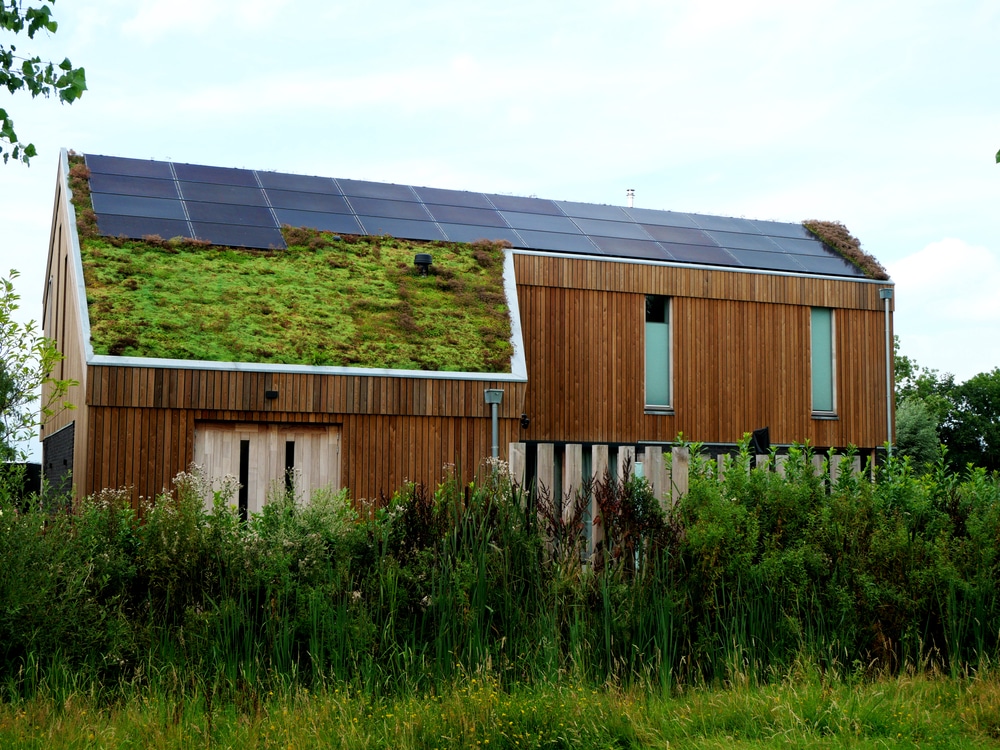
- Allow for renewables: Design your roof to optimise solar PV installation.
3. Prioritise fabric efficiency
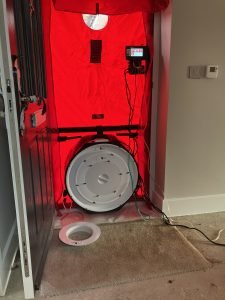
- Airtightness: Target <1 m³/h/m² at 50 Pa. Test at least twice.
- Insulation and ventilation: Triple glazing, robust insulation, and MVHR (with >90% heat recovery) are key.
- Avoid thermal bridges: Detail and inspect carefully.
FIND OUT MORE: AIR TIGHTNESS | THE WHAT, THE WHEN & THE HOW
AND
4. Choose low carbon heat
- Avoid gas at all costs. Use heat pumps: ideally monoblock, split, or ground source.
- Size correctly: Match to your space and demand.
- Ensure good commissioning: User guidance is crucial.
PIN: WHAT ARE THE MOST ECO FRIENDLY HEATING OPTIONS?
5. Go big on renewables
- Solar PV: Generate 120 kWh/m² (footprint) per year.
- No battery? No problem. Use solar diverters and EV charging for self-consumption.
- Smart controls: Enable demand flexibility to reduce grid strain.
READ LATER: SUSTAINABLE SMART HOME CONSTRUCTION IDEAS
6. Consider embodied carbon
- Material choice: Opt for low carbon, recycled, or reused materials. Ask for EPDs.
- Lean structure: Design efficiently. Fewer materials = less carbon.
- Disassembly: Future-proof the building for adaptability and reuse.
WHAT NEXT: 10 STEPS TO CUTTING YOUR BUILDING’S EMBODIED CARBON
7. Prepare for handover and beyond
- User guides: Include MVHR filter replacement stickers and heating system info.
- Post-occupancy evaluation: Track performance against targets for 5 years.
- Learn and iterate: Feed results into your next project.
The Net Zero mindset.
A checklist is more than a tick-box exercise. It’s a mindset. One that encourages collaboration, curiosity, and commitment to doing better with every build.
At Buildpass, we know that hitting Net Zero isn’t just about individual components; it’s about how it all comes together. From airtightness and orientation to heating systems and solar design, every decision plays a part in the carbon equation.
What do the experts think?
We asked our Director, Andrew Sadler, for his take on why creating your own Net Zero checklist is so important:
“The reality is, Net Zero isn’t a box you tick at the end of a build – it’s something you weave through every stage of the process. From setting realistic performance targets to making smart design choices early on, your checklist becomes your compass. It keeps your entire team aligned and ensures nothing gets lost in translation when it comes to energy performance, comfort and long-term sustainability.
“At Buildpass, we’ve worked with countless architects and developers who’ve used a tailored checklist to unlock better design decisions, greater energy savings and a stronger sustainability story. If you’re serious about future-proofing your work (and delivering buildings that genuinely meet the climate challenge) your own Net Zero checklist isn’t just helpful. It’s essential.”
Ready to create your own Net Zero building?
Use this checklist as a foundation, then make it your own. Tailor it to your projects, clients, and site conditions. And remember: we’re here to help.
If you’re planning a Net Zero build and want expert insight, get in touch with the Buildpass team. Let’s turn your Net Zero goals into tangible, sustainable results.