

Sustainability and building compliance expert. Specialising in low energy design, SAP, SBEM, BREEAM, and air testing for the construction industry,
Andrew Sadler
The Future Homes Standard (FHS) has finally landed.
After years of consultations and speculation, the government has now confirmed what new homes in England will need to deliver from 2027 onwards.
If you work in the built environment industry, this isn’t just another regulatory tweak. It fundamentally changes how homes are designed, built, and powered.
Here’s a clear, practical guide to what’s changed, and what you should be doing now.
What is the Future Homes Standard?
If you’ve followed our previous posts on the Future Homes Standard, you’ll know the direction of travel has been clear for a while.
In short:
- New homes must produce 75–80% less carbon than older standards
- Homes must be “zero-carbon ready”
- And crucially, fossil fuel heating is out
This latest announcement confirms how that will actually work in practice.
5 things we’ve learnt from the new Future Homes Standard.
The eagerly anticipated Future Homes Standard has brought with it a few big shifts. Here are our five key takeaways from the updates.
1. Gas boilers are gone
The Future Homes Standard effectively ends gas boilers in new homes. Instead, projects will need to use heat pumps (most commonly air source) or heat networks where appropriate.
This has been expected for a while, but it’s now set in stone.
2. Heat pumps and solar are now the baseline
Low-carbon heating is no longer a future upgrade; it’s the starting point.
Homes will need to be designed around heat pumps from day one, which has implications for layout, system design, and coordination across the project.
At the same time, there is now a formal requirement for on-site renewable energy generation. In most cases, this will be delivered through photovoltaic panels, effectively making solar a standard feature on new homes.
This impacts roof design, orientation, and early planning assumptions.
SAVE FOR LATER: WHAT ARE THE MOST ECO-FRIENDLY HEATING OPTIONS
3. The performance metrics stay the same, but how you meet them changes
Under the new standard, the core energy metrics remain in place. New homes will still need to meet targets for:
- Primary Energy
- Carbon Emissions
- Fabric Energy Efficiency
Structurally, the framework hasn’t changed. What has changed is how projects achieve compliance. With fossil fuels removed and renewables expected, the route to hitting those targets now relies much more on electrification and on-site generation than before.
4. SAP stays for now, but the bigger change is still coming
There had been a lot of uncertainty around how compliance would be calculated.
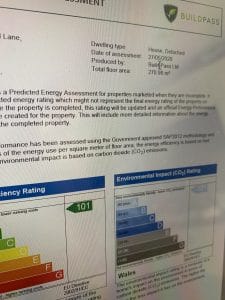
The government has now confirmed that SAP 10.3 will be used at launch, providing continuity with the current system. The Home Energy Model is still planned, but isn’t ready to be rolled out yet.
That gives the industry some breathing space, but it’s not the end of the story as a bigger shift in how performance is measured is still coming.
5. It’s not just Part L – wider changes are coming too
While most of the focus is on energy (Part L), the update has knock-on implications across other areas.
Ventilation requirements are tightening, with more emphasis on proper commissioning and testing as homes become more airtight. This reflects the growing importance of indoor air quality alongside energy efficiency.
There’s also a review underway for overheating (Part O), which could introduce further changes to how homes are designed for comfort, particularly in summer.
And when it comes to conversions and material changes of use, the approach hasn’t been fully aligned yet, with further consultation expected.
Key dates you need to know.
The timeline for the Future Homes Standard is now clear, and it’s closer than many expected.
The final standard has been published in 2026, and it will become mandatory for all new homes from 2027. On paper, that might sound like there’s still time to adapt. In reality, the bigger story sits within the transitional arrangements.
The rules have been tightened, meaning far fewer projects will be able to continue under current regulations once the new standard comes into force. In most cases, developers won’t be able to secure old standards across an entire site unless work has genuinely started.
For design teams, the biggest shift is that heat pumps and solar can’t be treated as bolt-ons anymore. They need to be considered from day one, influencing layouts, plant space, and even roof orientation. This also means closer coordination between architectural and M&E design much earlier in the process.
For developers, this is likely to reshape cost plans and specifications. There will be an increase in upfront build costs, but that sits alongside lower running costs for occupiers; something that may become a stronger selling point over time. There may also be knock-on effects for site layout and planning, driven by energy requirements rather than just density or aesthetics.
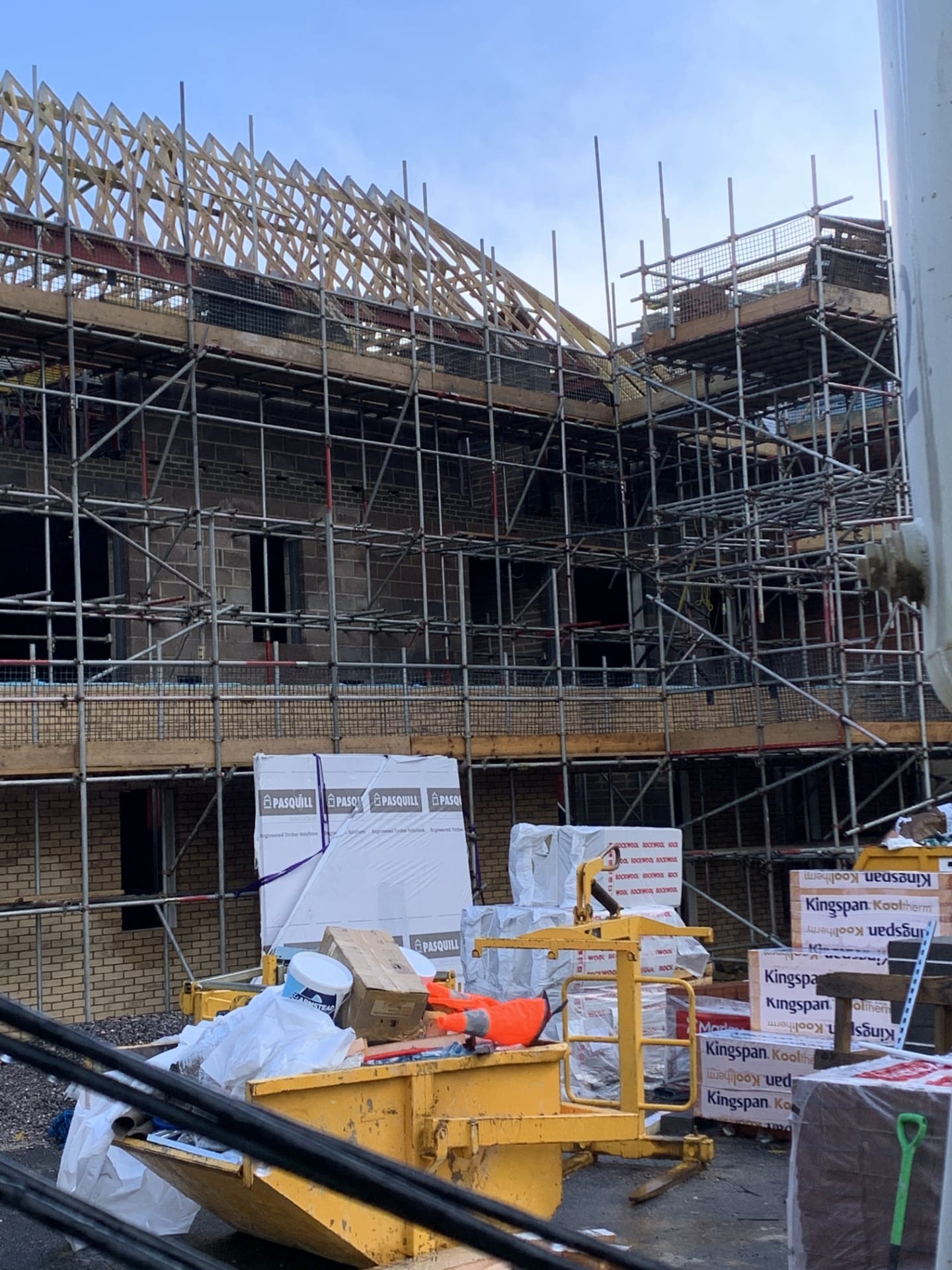
For contractors, the impact shows up on site. Installation sequencing will change, particularly around heating systems, and M&E coordination becomes more critical. There’s also a clear need to build capability – both in terms of skills and supply chain – as heat pumps and on-site renewables move into the mainstream.
The key takeaway is simple: by the time 2027 arrives, it’s already too late to start adapting. Projects being designed now will be the ones tested against the Future Homes Standard, so the shift needs to happen immediately.
What do the experts think?
Andrew Sadler, Director of Buildpass, said:
“The Future Homes Standard is a turning point – not just for compliance, but for how we think about delivering homes.
The shift to heat pumps and on-site renewables is no longer optional, and the teams that adapt early will be the ones that avoid delays, redesigns and cost shocks later on.”
The Future Homes Standard isn’t just about swapping out gas boilers or adding solar panels. It’s a broader shift in how performance is measured and how homes actually operate in the real world.
There’s a much stronger focus on actual energy use, not just design intent. This is where the upcoming Home Energy Model will take things further, moving the industry closer to real performance rather than theoretical compliance.
There’s also increased emphasis on system efficiency and integration. Heat pumps, for example, don’t work in isolation, they rely on well-designed emitters, good controls, and the right fabric performance to operate efficiently. In simple terms, everything needs to work together.
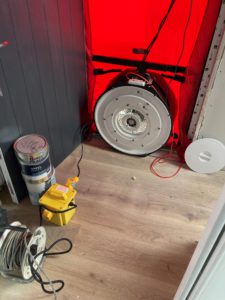
Ventilation and airtightness will also play a bigger role than many expect. As homes become more efficient and electrically heated, getting ventilation strategies right becomes critical: not just for compliance, but for comfort and indoor air quality.
And finally, there’s a clear pathway towards fully electric homes. That has implications beyond compliance, from grid demand to infrastructure planning, and it’s something project teams will need to start factoring in now.
Put together, this isn’t a single change. It’s a shift towards a more integrated, performance-led way of delivering homes.
How Buildpass can help
This is exactly the kind of transition where early input makes the biggest difference.
At Buildpass, we’re already supporting teams to navigate the Future Homes Standard: from early-stage feasibility and SAP assessments, through to detailed compliance and delivery support.
Whether you’re testing current designs, reviewing specifications, or trying to understand what this means for your pipeline, we can help you get clarity early.
If you’re working on projects that will fall under the Future Homes Standard, now is the time to act. Get in touch with the team to see how we can support your next steps.