

Sustainability and building compliance expert. Specialising in low energy design, SAP, SBEM, BREEAM, and air testing for the construction industry,
Andrew Sadler
The way we design our towns, streets and public spaces has a huge impact on how people experience them. From the layout of pedestrian routes to the positioning of street lighting, what can seem like small design decisions actually makes a significant difference to how safe and comfortable people feel.
The Government’s timely announcement that they will be placing greater emphasis on this through the latest National Planning Policy Framework (NPPF) is therefore music to our ears. This fresh vision explicitly recognises the safety of women and girls in the design of public spaces.
So, what has changed, why does it matter, and what do developers need to consider?
What has changed in the National Planning Policy Framework?
Published in August 2026, the revised NPPF sets out the Government’s planning policies for England, covering everything from the delivery of new homes to the creation of high-quality, sustainable places.
One of the notable changes is within policy DP3, which sets out the key principles for well-designed places.
The policy now specifically states that public spaces should be safe, secure, inclusive and accessible for everyone, including women and girls. It highlights several design features that can help achieve this, including:
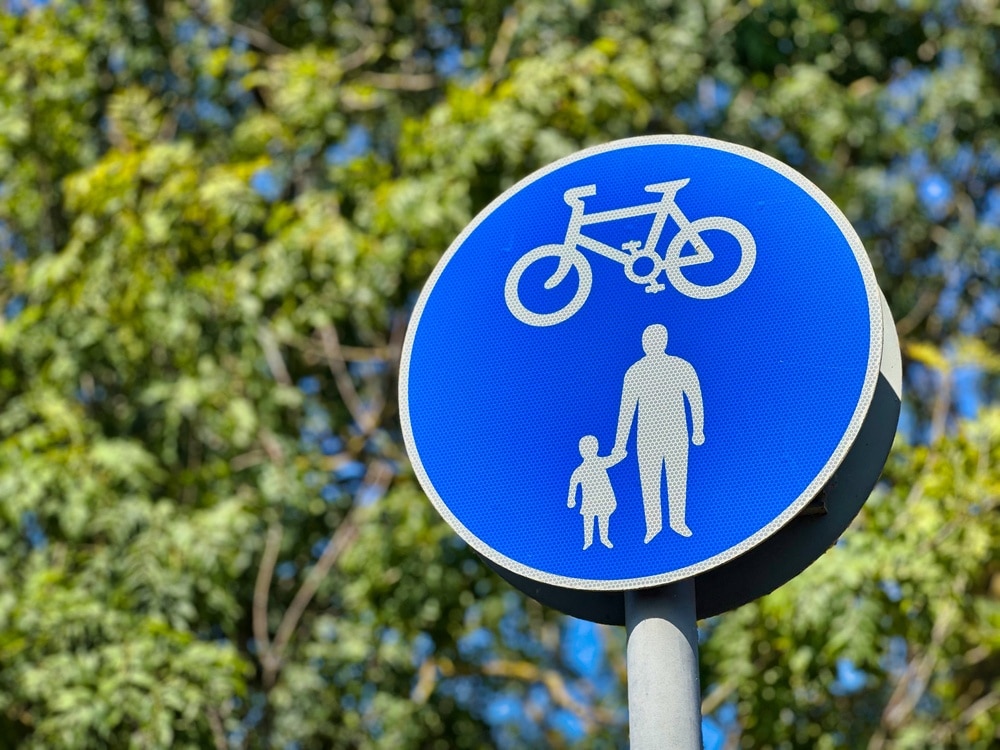
- High-quality, clear and easy-to-follow pedestrian and cycle routes
- A variety of recreational spaces and places for people to meet
- Appropriate lighting throughout public spaces
- Building entrances and windows that face onto streets and public areas, helping to provide natural surveillance
These developments to the framework are incredibly important: together, they recognise that safety must be considered as part of the planning and design process, instead of as an issue to rectify once development is already complete.
Why is safer design so important?
Safer design of public spaces isn’t just about crime rates or adding in extra security features. At the core, it’s about how a place looks, feels and functions.
Picture a poorly lit pedestrian route. There’s limited visibility and a few nearby buildings that feel intimidating, particularly after dark. Compare that to the idea of a well-designed street with clear routes, active frontages and good lighting. The latter is immediately going to feel more welcoming and safer. For women and girls, these considerations are even more important, as their experiences of public spaces can differ significantly from those of other groups.
Designing with safety at the forefront therefore starts with asking how a person will actually use a space. Where will they walk? Are there clear routes between residential spaces, public transport and local amenities? Can people see where they are going? Are there ample opportunities for natural surveillance?
These questions should form a vital part of conversations from the very first stages of a development.
What does this mean for developers?
So, what does creating safer spaces look like in practice?
For developers, the updated NPPF is another reminder of the importance of considering the wider impact of a development. Planning and design decisions must look beyond the individual building, towards how the entire site will function once people inhabit it.
It’s important to note that the policy is not asking developers to apply every design principle in exactly the same way for every project. Rather, it states that proposals should reflect the relevant principles as appropriate to the nature and location of the development. This reinforces the principle that design decisions should be made with the people who will use the space in mind, involving the right professionals early on, understanding the characteristics of the site and exploring how different design elements work together.
It’s also worth remembering that good design is rarely about pinpointing a single solution. Lighting, landscaping, building orientation, accessibility and pedestrian movement all need to be considered as part of a multifaceted approach.
Is the new policy enough?
While the explicit recognition of women’s and girls’ safety is a positive step, there are questions about how effectively the changes will translate into better places.
As highlighted by Nicholle Kingsley of Mishcon de Reya in Property Week, the new references to women’s safety sit within the NPPF’s decision-making policies, rather than its plan-making policies.
In other words, safety is now explicitly recognised when individual development proposals are considered, but there is an argument that it should also be more firmly embedded in the earlier process of planning how places are developed.
But, what does this actually mean? If safety is only considered once an individual planning application reaches the decision-making stage, there may be missed opportunities to address wider issues through the initial planning of an area. Ultimately, creating safer places requires more than a tick-box exercise. It means understanding the needs of the people who will use those spaces and making thoughtful design decisions from the outset.
What do the experts think?
Andrew Sadler, Director of Buildpass, said:
“Good design is about thinking beyond the building itself. We need to consider how people will use and experience the spaces around it, and how those spaces can work for everyone. Getting these decisions right at the planning and design stage can make a real difference to the quality of a development in the long term.”
The latest changes to the NPPF are a welcome reminder that successful developments need to do more than meet technical requirements or look good on paper.
By considering safety, accessibility and inclusivity from the earliest stages of design, developers have an opportunity to create places that are not only functional and attractive, but welcoming too. And that is what good design should be all about.
For support on your next development, contact a member of the Buildpass team.